


ANP Debates the Decarbonization "Bill"
What is at stake in the individualization of biomethane targets (CGOB)
Special Analysis
By Editorial Team, Portal Energia e Biogás
The Brazilian energy sector is experiencing a decisive moment for the consolidation of biomethane in the national matrix. The National Agency for Petroleum, Natural Gas and Biofuels (ANP) held, on January 12, 2026, the Public Hearing No. 13/2025. The goal: to define the rules of the game for who will pay the decarbonization bill, that is, how the purchasing targets for the Biomethane Origin Guarantee Certificate (CGOB) will be individualized for natural gas producers and importers.
For readers of Portal Energia e Biogás, understanding this regulation is vital. It not only creates the mandatory demand that will make new biogas projects viable, but it also defines the costs and responsibilities of the major natural gas players in Brazil.
1. The Context: The CGOB and the Fuel of the Future Law
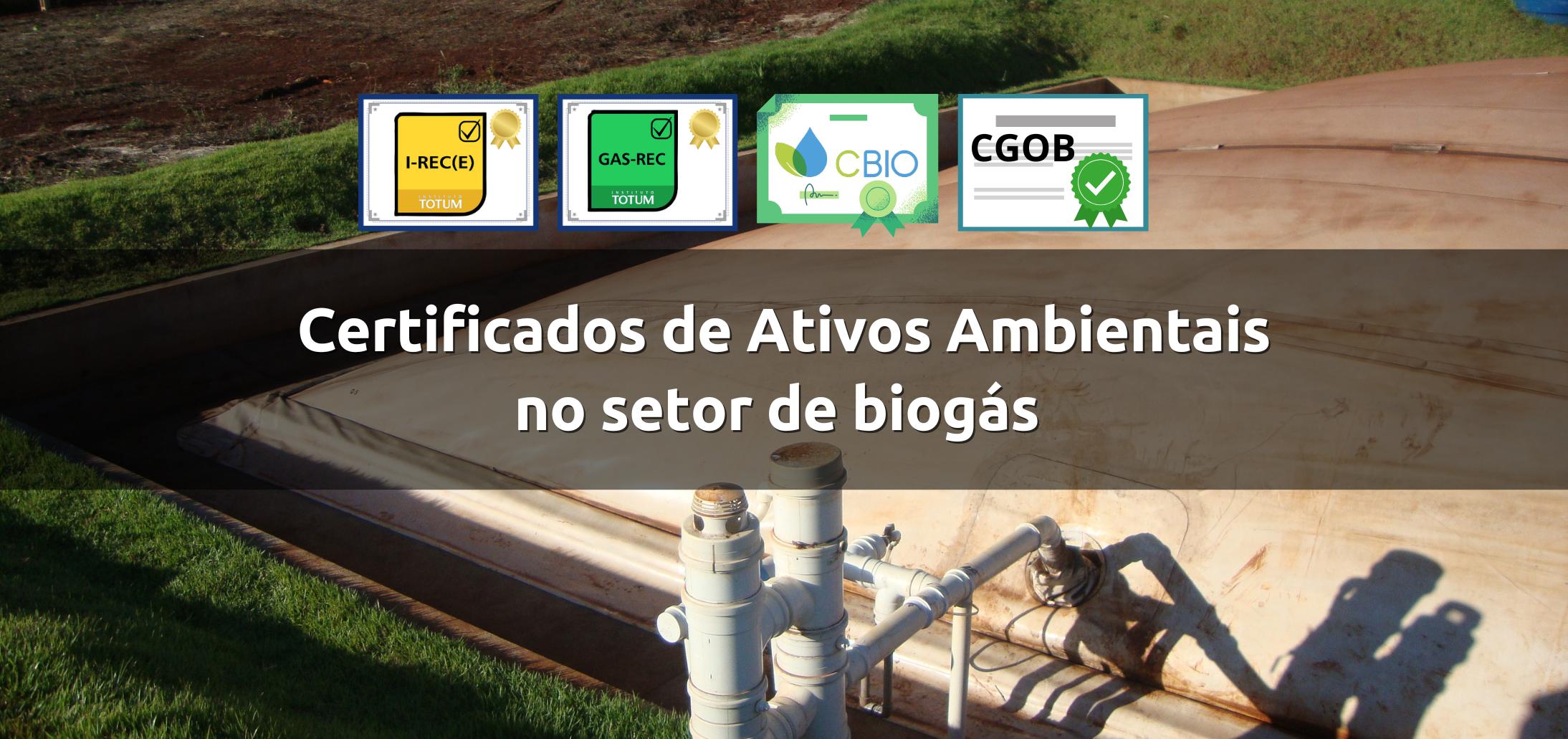
The CGOB is the central financial mechanism created by Law No. 14.993/2024 (known as the Fuel of the Future Law) to incentivize biomethane production. Simply put: the law mandates that natural gas producers and importers prove, annually, the purchase of a quantity of "credits" (CGOBs) proportional to their volume of fossil gas sales.
This obligation creates a guaranteed market for biomethane, reducing the risk for those investing in biodigesters, production plants, biogas, and biomethane purification plants. The draft under discussion at the ANP has the function of "slicing the pie": it establishes how much each company (such as Petrobras, Eneva, Shell, etc.) will have to buy in CGOBs to meet the national decarbonization target defined by the National Energy Policy Council (CNPE).
2. The ANP Proposal: Points of Tension
The draft presented by the ANP brought technical definitions that generated intense debate. The main pillars of the initial proposal are:
- The Obligated Agent (Who Pays): The ANP proposed that the target be assigned to the Operator of the production field and the Importer.
- The Calculation Base (The Bill): To define the size of each one's target, the agency suggested using the produced volume (deducting only reinjection).
- The "Small" Producer: The draft exempts small-scale producers, using ANP Resolution No. 32/2014 as a criterion (production lower than 1,000 barrels of oil equivalent/day).
- Conversion: Establishes that 1 CGOB equals 100 m³ of biomethane.
Although the intention is to decarbonize, the proposed calculation method curiously united natural gas (fossil) producers and biomethane (renewable) producers in a common criticism: the methodology needs adjustments to reflect the commercial reality of the market.
3. The Debate: Consensus and Divergences at the Hearing
During the public hearing, representatives from major associations such as ABiogás (biogas and biomethane), IBP (oil and gas), ABPIP (independent producers), and large companies like Eneva and EDGE presented their arguments. The analysis of the speeches and contributions reveals a surprising scenario of technical alignment among the agents.
- The Great Consensus: "Who Sells is Who Pays"
The most critical point raised was the definition of the obligated agent. The ANP proposed charging the target to the field Operator.
- The Criticism: In exploration consortiums (common in the pre-salt layer), the Operator (e.g., Petrobras) manages the field, but the extracted gas belongs to all companies in the consortium (e.g., Shell, Galp), which market their shares independently.
- The Argument: Sylvie D'Apote, from IBP, warned that focusing on the Operator artificially concentrates the obligation (90% on Petrobras) and ignores market opening, where each consortium member sells their own gas.
- Biogás Support: Thiago Ramos, from ABiogás, reinforced this view, arguing that the target should fall on the effectively commercialized volume and on the agent who holds the right to sell, to avoid contractual and financial distortions.
- The Battle of Volumes: Produced vs. Commercialized
Another front of debate was the math behind the target.
- The ANP Proposal: Produced Volume - Reinjection.
- The Sector Reality: Companies argue that a lot of gas is consumed on the platform itself (power generation), burned in flares (safety), or transformed into liquids (NGL) before being sold.
- The Request: ABRACE (large consumers) and Eneva explicitly requested: the target must apply only to effectively commercialized dry gas. Charging a target on gas that was burned or used internally would be an undue burden that increases operational costs without generating real decarbonization in the market.
- The Challenge of Importers and LNG
For Liquefied Natural Gas (LNG) importers, the representative from EDGE (Mariana Boechat) brought a specific concern: gas that evaporates on ships (boil-off gas) or that is merely stored and not sold in the year should not be included in the bill. Eneva reinforced that volumes imported and subsequently exported should not compose the target, as they do not emit CO2 in Brazil.
4. Highlights of Contributions
IBP
- Main Goal: Change the obligated agent from "Operator" to "Concessionaire/Marketer".
- Relevant Quote: "This definition as an operator... goes against the objective of having demand as less concentrated as possible" (Sylvie D'Apote).
ABiogás
- Main Goal: Precise allocation of the CNPE target and harmonization of assumptions (exclude internal consumption).
- Relevant Quote: "Brazil will not be able to achieve the Paris Agreement goals if it does not have the use and increase of biomethane" (Thiago Ramos).
ABPIP
- Main Goal: Update the "Small Producer" criterion (the 2014 rule is obsolete) and exclude marginal fields.
- Relevant Quote: "A decarbonization program... is not a policy that wants to restrict the natural gas supply" (Rafaela Melo).
Eneva
- Main Goal: Gradual penalties. The market is new, and everyone is learning.
- Relevant Quote: "Gradual sanctioning mechanisms... to be able to follow development and maturity" (Letícia Nascimento).
5. Next Steps and Impacts for the Sector
The hearing ended with the ANP promising to evaluate the contributions "with care" and technical rigor. The rapporteur, Director Pietro Mendes, emphasized the strategic importance of biomethane to replace diesel and generate jobs and income.
What to expect now:
- Review of the Draft: It is highly probable that the ANP will alter the text to focus on "commercialized volume" and the "concessionaire," given the rare consensus among all links in the chain.
- Definition of Deadlines: There is pressure for rapid publication, as the targets for 2026/2027 already need to start being met.
- Security to Invest: For the biogas investor, the revision to "commercialized volume" may slightly reduce the total volume of the target (smaller calculation base), but it ensures a more legally solid market, with buyers (gas companies) less likely to litigate the rule.
The consolidation of this resolution will be the final "green light" for CGOB purchase and sale contracts to begin being signed at scale, transforming the environmental promise of biomethane into a tangible financial asset for the Brazilian market.
Did you like this topic?
Want to know more about biogas in Brazil?
Copyright © 2018 - 2026 All rights reserved - Portal Energia e Biogás®.
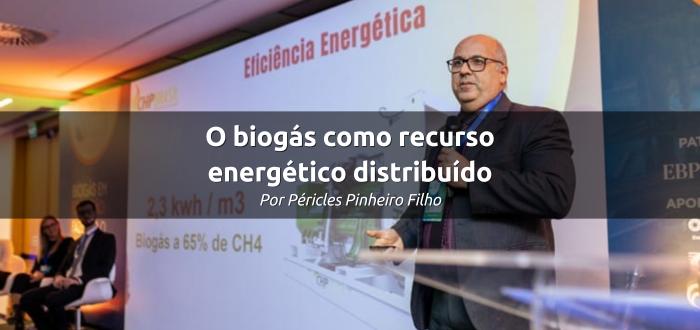 O biogás como recurso energético distribuído
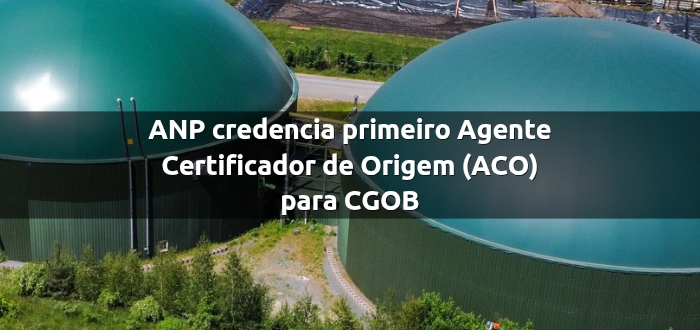 ANP credencia primeiro Agente Certificador de Origem (ACO) para CGOB
 Esquenta para o 8º Fórum Sul Brasileiro de Biogás e Biometano
 Primeira brasileira finalista do Engineer Woman Award na Alemanha
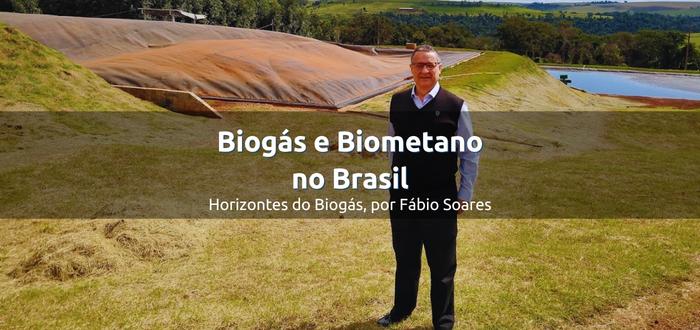 Biogás e Biometano no Brasil
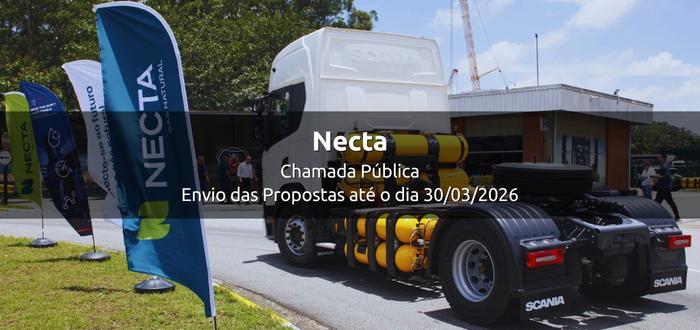 Necta define 30 de março como prazo para propostas de interconexão de biometano
 ABREN na inauguração da 1ª usina de biometano de dejetos suínos
 Certificados de Ativos Ambientais no setor de biogás no Brasil